
Best Sunrise Alarm Clock: 3 Picks for Circadian-Friendly Mornings
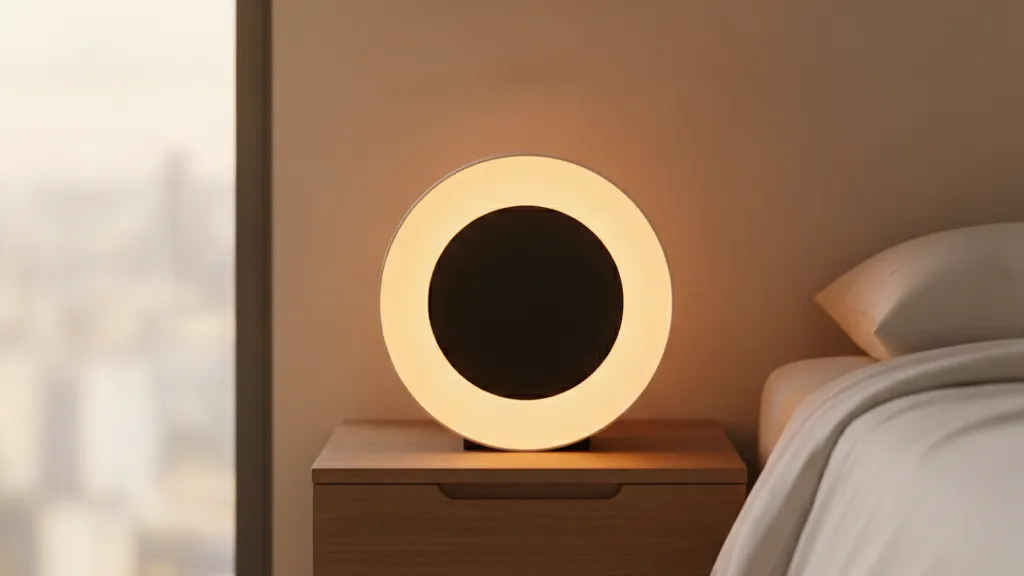
Consistent sleep and wake timing is one of the quieter foundations of long-term health. Light is a primary signal the body uses to keep its internal clock on schedule, which is why many people look for a gentler alternative to a jarring alarm in a dark room.
A sunrise alarm clock brightens gradually before your set wake time, so the transition from sleep to waking happens with light rather than sound alone. This guide compares three widely available models, Odokee, REACHER and JALL, based on their published specifications: sunrise duration and brightness range, wake modes, sleep sounds, night light options and practical details such as power backup.
The goal is not to promise better health from a device. It is to help you choose a tool that fits a calm, repeatable morning routine you can sustain for years.
Quick picks
| Product | Best for | |
|---|---|---|
| Odokee Sunrise Alarm Clock & Sound Machine | People who want a light-only wake-up option and a dedicated sunset light to bookend a consistent sleep schedule. | View |
| REACHER Wood-Grain Sunrise Alarm Clock | Those who prioritize a reliable alarm that keeps its settings and prefer a warm, natural-looking bedside design. | View |
| JALL Sunrise Alarm Clock with FM Radio | People who keep different weekday and weekend schedules or share a room with someone on another wake time, and who want radio and Bluetooth in one device. | View |
Why Morning Light Matters for a Longevity-Focused Routine
The body's circadian rhythm influences when you feel alert and when you feel ready for sleep. Light, especially in the morning, is one of the main cues that helps keep that rhythm anchored to a regular schedule.
A sunrise alarm clock is designed to mimic a gradual dawn indoors, which may support a smoother wake-up, particularly in darker months or in rooms with limited natural light. It is not a substitute for daylight exposure, good sleep habits or medical care. If you have persistent sleep problems, daytime fatigue or a diagnosed sleep disorder, talk with your doctor before relying on any device.
How We Compared These Sunrise Alarm Clocks
Each model was evaluated on its published specifications. The key factors were sunrise simulation length and brightness range, the flexibility of wake modes, the variety of sleep sounds and timers, night light and display dimming, and practical features like Bluetooth audio, FM radio, multiple alarms and power-outage backup.
Display dimming deserves special attention. Bright light in the bedroom at night can work against your wind-down, so a clock face that dims fully to 0 percent is a meaningful detail. All three models here list a dimmable display, though the specifics vary.
Key Features to Look For
Sunrise duration: A longer, adjustable ramp gives you control over how gradual your wake-up feels. Odokee and REACHER list 5 to 60 minutes; JALL lists 10 to 60 minutes.
Wake mode options: If you prefer to wake to light alone, check whether the clock supports a silent sunrise. Odokee explicitly offers a sunrise-light-only mode alongside light plus sound and sound only.
Evening features: Sleep sounds, a sleep timer and a warm or dim night light can support a consistent wind-down. Odokee includes a dedicated sunset light color among its night light options.
Reliability: An alarm is only useful if it keeps its settings. REACHER is the only model here that lists a built-in battery to retain alarm, light and sound settings during a power outage.
Quick Comparison
Odokee: sunrise 5 to 60 minutes, 25 sounds including white, pink, brown and blue noise, 5 W Bluetooth speaker, 12 night light colors including a sunset light, 3 wake modes, physical buttons and dials.
REACHER: sunrise from 1 to 100 percent over 5 to 60 minutes, 26 sounds, 5 to 180 minute sleep timer, 8 night light colors, built-in battery backup for settings, wood-grain design.
JALL: full-screen sunrise from 10 to 100 percent over 10 to 60 minutes, 25 sounds, 5 W Bluetooth speaker, FM radio, two separate alarms with daily, weekday and weekend modes, 17 light colors with 20 brightness levels, USB power.
Odokee Sunrise Alarm Clock & Sound Machine
The Odokee is the most flexible option for structuring both ends of the day. Its sunrise simulation ramps up over a customizable 5 to 60 minutes, and it offers three wake modes, including a silent sunrise-light-only setting. In the evening, a sunset light color and a broad range of noise colors (white, pink, brown and blue) plus nature sounds with a sleep timer support a consistent wind-down routine.
- Three wake modes, including sunrise light without sound
- Adjustable sunrise length from 5 to 60 minutes
- 25 sounds including white, pink, brown and blue noise
- Night light with 12 colors, including a sunset light for evenings
- Display dimmable from 0 to 100 percent
- 5 W Bluetooth stereo speaker and physical labeled controls with no app needed
- The listing does not mention battery backup for settings during a power outage
- Only 7 alarm sounds, fewer options than its 25 sleep sounds might suggest
Best for: People who want a light-only wake-up option and a dedicated sunset light to bookend a consistent sleep schedule.
Check price on AmazonREACHER Wood-Grain Sunrise Alarm Clock
The REACHER focuses on dependability and a calm bedside aesthetic. Its sunrise simulation brightens from 1 to 100 percent over 5 to 60 minutes, and a built-in battery keeps alarm, light and sound settings during a power outage. A 5 to 180 minute sleep timer turns off both sound and night light, and the wood-grain finish suits a bedroom designed for rest.
- Built-in battery retains alarm, light and sound settings during a power outage
- Sunrise brightens from a very low 1 percent up to 100 percent over 5 to 60 minutes
- 26 sleep sounds, the most in this comparison
- Sleep timer of 5 to 180 minutes turns off both sound and night light
- Display dimmable from 0 to 100 percent, clearly labeled icons for one-handed use
- Wood-grain design
- No Bluetooth streaming or FM radio listed
- Night light offers 8 colors, fewer than the other two models
Best for: Those who prioritize a reliable alarm that keeps its settings and prefer a warm, natural-looking bedside design.
Check price on AmazonJALL Sunrise Alarm Clock with FM Radio
The JALL is the most feature-rich model for households with varied schedules. It uses a full-screen, light-first sunrise that brightens from 10 to 100 percent over 10 to 60 minutes before the alarm sound. Two separate alarms with daily, weekday and weekend modes make it easier to keep wake times consistent, and it adds FM radio and Bluetooth streaming through a 5 W speaker.
- Two separate alarms with daily, weekday and weekend modes
- Full-screen, light-first sunrise from 10 to 100 percent
- Ambient light with 17 colors and 20 brightness levels
- Long sleep timer of 10 to 480 minutes with auto-off
- FM radio with manual or auto tuning, plus Bluetooth streaming
- No Wi-Fi or app needed
- Shortest available sunrise is 10 minutes, and brightness starts at 10 percent rather than lower
- USB-powered with a 47-inch cable, which may limit placement depending on outlet location
- The listing does not mention battery backup for settings
- Unlimited snooze may make it easier to drift from a consistent wake time
Best for: People who keep different weekday and weekend schedules or share a room with someone on another wake time, and who want radio and Bluetooth in one device.
Check price on AmazonFAQ
What is the best sunrise alarm clock for a consistent sleep routine?
It depends on your priorities. Odokee offers the most wake modes and a sunset light, REACHER adds battery backup for settings, and JALL provides two separate alarms with weekday and weekend modes.
Can a sunrise alarm clock improve my health?
A sunrise alarm clock is designed to provide a gradual light cue before waking, which may support a gentler morning routine. It does not treat or prevent any condition. If you have ongoing sleep concerns, consult your doctor.
How long should the sunrise simulation be?
Many people start around 20 to 30 minutes and adjust from there. All three models allow up to 60 minutes; Odokee and REACHER start at 5 minutes, while JALL starts at 10.
Can I wake up to light only, without sound?
Odokee explicitly lists a sunrise-light-only wake mode. The REACHER and JALL listings do not describe a silent sunrise option.
Will these clocks keep my alarm if the power goes out?
Of these three, only REACHER lists a built-in battery that keeps alarm, light and sound settings during a power outage.
Bottom line
Choosing the best sunrise alarm clock comes down to how you want your mornings and evenings to feel. The Odokee is the most versatile for building a full routine, with a silent sunrise mode and a sunset light. The REACHER stands out for reliability, thanks to its battery backup and very low starting brightness. The JALL suits varied schedules, with two independent alarms, FM radio and Bluetooth.
Whichever you choose, the device works best as one part of a broader approach: regular sleep and wake times, daylight exposure when possible, and a dim, calm bedroom at night. Check current pricing and availability on Amazon, and speak with your doctor if sleep difficulties persist.