
Best Fingertip Pulse Oximeter for Home: 3 Models Compared
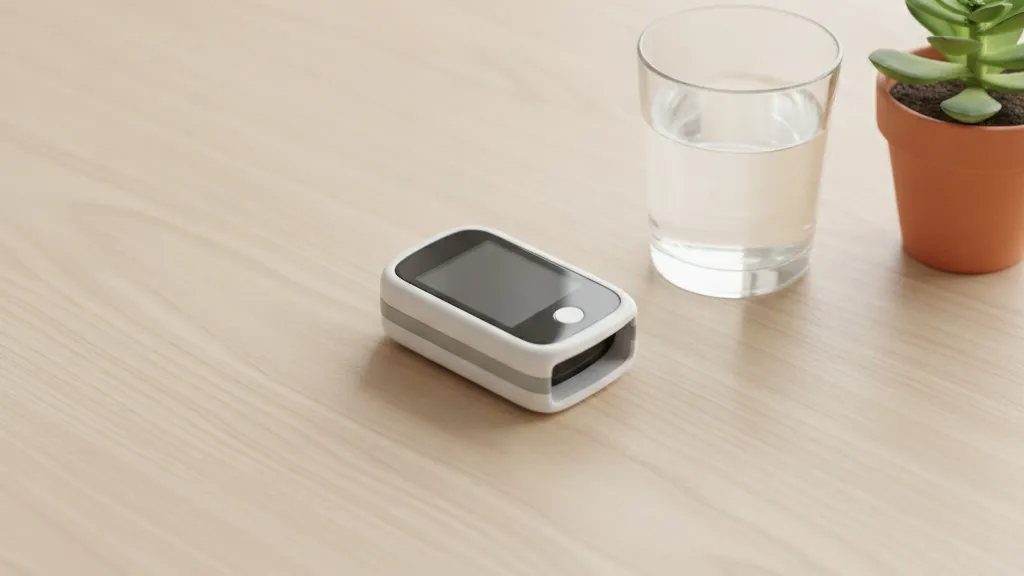
A fingertip pulse oximeter is a small clip-on device that estimates blood oxygen saturation (SpO2) and pulse rate through the skin. For many households it has become a routine item in the home health kit, alongside a thermometer and a blood pressure cuff.
This guide compares three widely available models, the Zacurate 500 Series, the Innovo Deluxe iP900AP and the Wellue Bluetooth oximeter, using their published specifications and manufacturer information. The focus is on what each device is designed to do, how its features differ, and where its limits lie.
One principle frames everything below: a home oximeter provides a reading, not a diagnosis. If you have a health concern or a reading that worries you, contact your doctor.
Quick picks
| Product | Best for | |
|---|---|---|
| Zacurate 500 Series | Households that want a simple, easy-to-read device for occasional spot checks. | View |
| Innovo Deluxe iP900AP | Home users who want extra reliability cues and audible alerts during spot checks. | View |
| Wellue Bluetooth Oximeter | Wellness-minded users who want to log readings and review trends, with the understanding that it is not intended for medical use. | View |
What to Look for in a Home Pulse Oximeter
Start with the core specifications. All three models list SpO2 accuracy of about plus or minus 2% across a measurement range of 70-100%. That shared baseline means the meaningful differences lie in display, reliability indicators, alerts and data tracking.
Consider who will use it. A large, readable display and simple one-step operation suit most households. If you want to judge whether a reading is trustworthy, a perfusion index or pulse waveform adds useful context. If you want to share trends with a clinician, stored readings or an app may help.
Check the intended use stated by the manufacturer. Some listings market their devices for sports, outdoor activity or aviation rather than medical use. That distinction matters when you are deciding how much weight to give the numbers.
Understanding the Limits of Fingertip Readings
Pulse oximeters estimate oxygen saturation by shining light through the fingertip. Readings can be affected by movement, cold fingers, nail polish and other factors.
The FDA has said that pulse oximeters have limitations and that skin pigmentation may affect accuracy. This is worth knowing for every user, and especially for anyone tracking readings over time.
Treat a single number with caution. Look at trends, repeat measurements when something seems off, and pay attention to how you actually feel. Symptoms such as shortness of breath warrant contacting a healthcare professional regardless of what the device shows.
How the Three Models Differ
The Zacurate 500 Series keeps things simple: SpO2, pulse rate and pulse strength on a large LED display in about 10 seconds, with a silicone cover and lanyard included. It is marketed primarily for sports and outdoor enthusiasts.
The Innovo Deluxe iP900AP adds a plethysmograph (pulse waveform) and perfusion index, which help judge whether a reading is reliable. It also offers an audible alarm, pulse beeps and adjustable brightness, and it is marketed for home use as well as sports and aviation.
The Wellue Bluetooth oximeter focuses on tracking. It sends readings to a free iOS and Android app, stores the last 12 readings on the device and alerts you when values cross preset limits. Its manufacturer states it is not a medical device and is intended for sports and aviation use only.
Getting a More Consistent Reading at Home
Sit still and rest your hand at heart level. The Innovo listing specifically advises staying still during measurement, and movement affects all fingertip devices.
Warm your hands first if they are cold, and remove nail polish from the measuring finger. Wait until the number stabilizes before recording it.
Follow each manufacturer's guidance on wear time. Wellue, for example, advises not keeping the device on the same spot for more than 2 hours.
Zacurate 500 Series
A straightforward fingertip oximeter that shows SpO2, pulse rate and pulse strength on a large LED display in about 10 seconds. A spring-loaded chamber fits a wide range of finger sizes for ages 12 and up, and the package includes 2 AAA batteries, a silicone cover and a lanyard, backed by a 12-month warranty and US-based technical support.
- Large LED display that faces the user
- Reading in about 10 seconds with pulse strength indicator
- Published accuracy of plus or minus 2%; SpO2 range 70-100%, pulse 30-250 BPM
- Silicone cover, lanyard and batteries included
- 12-month warranty with US-based technical support
- Marketed mainly for sports and outdoor use rather than home health monitoring
- Listing does not mention alarms, memory or app connectivity
- Intended for ages 12 and up, so not suited to younger children
Best for: Households that want a simple, easy-to-read device for occasional spot checks.
Check price on AmazonInnovo Deluxe iP900AP
A more detailed model that displays a plethysmograph and perfusion index alongside SpO2 and pulse rate, giving users context on how reliable a reading may be. The brand says its upgraded LED and sensor can measure even with low blood perfusion. It adds an audible alarm, pulse beeps and adjustable brightness, and comes with 2 AAA batteries and a lanyard.
- Plethysmograph and perfusion index help judge reading reliability
- Audible alarm and pulse-detection beeps
- Adjustable screen brightness
- Marketed for home use in addition to sports and aviation
- Published SpO2 accuracy of plus or minus 2% across 70-100%
- Listing does not specify a pulse-rate measurement range
- No app or stored-reading feature mentioned
- Waveform and perfusion data take some learning to interpret
- No protective cover or pouch listed in the package
Best for: Home users who want extra reliability cues and audible alerts during spot checks.
Check price on AmazonWellue Bluetooth Oximeter
A connected oximeter that measures SpO2 and pulse rate in about 8 seconds, powers on and off automatically, and sends readings to a free Android and iOS app. It stores the last 12 readings, including perfusion index, and beeps and flashes if values cross preset limits. It includes batteries, a carry pouch and a lanyard and is listed as FSA/HSA eligible.
- Free app receives and stores readings for trend tracking
- On-device memory of the last 12 readings, including perfusion index
- Alerts when SpO2 or pulse rate goes beyond preset limits
- Fast reading in about 8 seconds with automatic on/off
- Published pulse accuracy of plus or minus 2 bpm or 2%; carry pouch included
- Manufacturer states it is not a medical device and is intended for sports and aviation use only
- App syncs only while it is open
- Should not stay on the same spot for more than 2 hours
Best for: Wellness-minded users who want to log readings and review trends, with the understanding that it is not intended for medical use.
Check price on AmazonFAQ
What is a normal pulse oximeter reading?
Normal ranges vary by individual and health history, so ask your doctor what range is appropriate for you. Use the device to notice changes, and seek medical advice if readings concern you or you have symptoms.
Can a fingertip oximeter replace a medical evaluation?
No. A home oximeter provides an estimate that can be affected by movement, cold fingers, nail polish and skin pigmentation. It does not replace assessment by a healthcare professional.
Why does my reading change from one minute to the next?
Small fluctuations are common. Sit still, warm your hands, remove nail polish and wait for the number to stabilize. A perfusion index or waveform, as on the Innovo model, can help judge signal quality.
Do I need an app-connected oximeter?
Not necessarily. An app, like Wellue's, is useful for logging trends, but simple spot checks work well with a clear display. Note that Wellue's maker says its device is not for medical use.
Bottom line
All three oximeters share the same published SpO2 accuracy and range, so the right choice depends on how you plan to use one. The Zacurate 500 Series suits simple spot checks with a clear display. The Innovo Deluxe iP900AP offers waveform, perfusion index and alarms, and it is the only one of the three marketed for home use. The Wellue Bluetooth model is best for logging trends, keeping in mind its manufacturer positions it for sports and aviation rather than medical use.
Whichever you choose, read the numbers in context, follow good measurement habits and talk with your doctor about what your readings mean for you.