
Best Balance Board for Adults: 3 Picks for Longevity Training
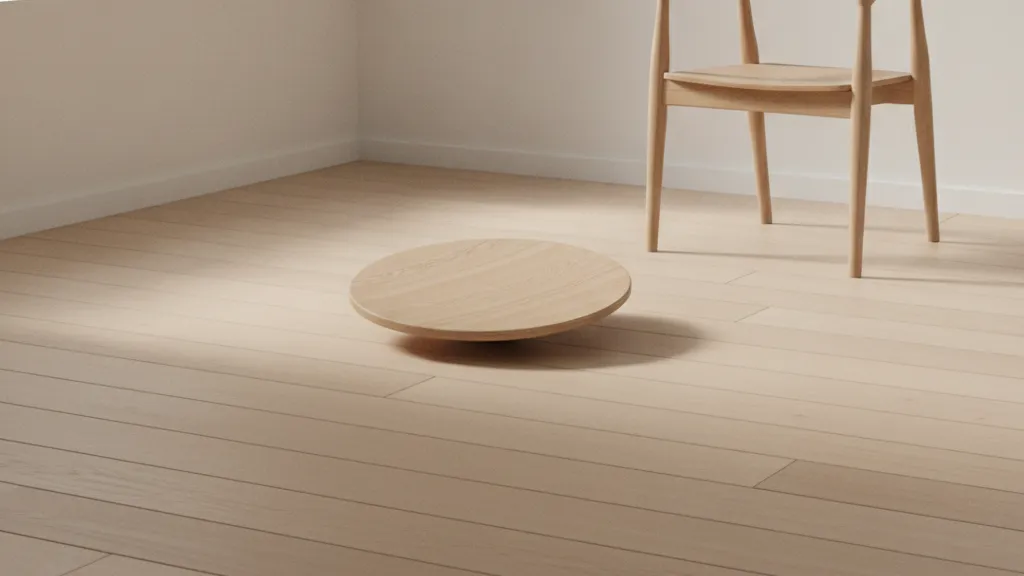
Balance is one of the quieter pillars of healthy aging. Strength and cardiovascular fitness get most of the attention, but the ability to stay steady, react to a shift underfoot and control your posture is part of moving through daily life with confidence. A balance board is a simple, low-footprint tool for practicing exactly that at home.
This guide compares three widely available boards using their published specifications: a round wobble board, a board sold in rocker or 360-degree wobble versions, and a roller-style board with adjustable stops. Each suits a different starting point, from cautious beginner to experienced trainee.
A note before you begin: balance training carries a real risk of falling. Start next to a wall, counter or sturdy chair, and if you have a history of falls, dizziness, or joint or balance problems, consult your doctor or a physical therapist first.
Quick picks
| Product | Best for | |
|---|---|---|
| StrongTek Wooden Balance Board (Rocker or 360° Wobble) | Adults new to balance training who want a gentler rocker start, or those ready for 360° work who value a higher weight limit. | View |
| Amazon Basics Wooden Wobble Balance Board | Adults who want a simple, space-saving wobble board for mixed balance and core exercises at home. | View |
| Revolution Balance Boards 101 v2 | Adults with some balance experience who want a progressive, athletic challenge and can train with support or a spotter. | View |
Why Balance Training Belongs in a Longevity Routine
Standing balance relies on coordination between your feet, legs, core and the systems that sense where your body is in space. Like other physical capacities, it tends to respond to regular, deliberate practice.
A balance board adds a controlled element of instability. Small, frequent sessions, such as standing on the board while brushing up on posture or holding a plank on it, may support coordination and core engagement over time. It is a complement to, not a replacement for, strength training, walking and guidance from a qualified professional.
Wobble, Rocker or Roller: Understanding the Designs
A rocker board tilts in one direction only, front to back or side to side depending on how you stand. It is the most predictable movement and a sensible entry point.
A wobble board sits on a rounded base and tilts in any direction, 360 degrees. It asks more of your ankles, hips and core because the instability can come from anywhere.
A roller board places a deck on top of a rolling cylinder, similar in feel to surf or skate training. It is the most demanding of the three styles and is best approached gradually, ideally with a spotter.
What to Compare Before You Buy
Maximum weight: the boards here are rated at 265 lb, 350 lb and 400 lb. Choose one with comfortable headroom above your body weight.
Size and portability: dimensions and board weight matter if you plan to store it under a desk or move it between rooms.
Surface: all three list a non-slip or traction surface, and two specifically note comfort when barefoot.
Progression: consider whether the board lets you start easier and increase difficulty, either through a choice of versions or adjustable stops.
Using a Balance Board Safely
Place the board on a dry, non-slip floor and never on wet or slick surfaces. Keep a wall, counter or sturdy chair within reach, and clear the area of furniture edges.
Begin with short sessions and two-handed support, then reduce support only as control improves. With a roller board, set the stops short and consider having another person nearby. Stop if you feel dizzy or unsteady, and speak with a healthcare professional if balance concerns persist.
StrongTek Wooden Balance Board (Rocker or 360° Wobble)
StrongTek sells this wooden board in two versions: a basic rocker that tilts in one direction and an advanced 360-degree wobble. That choice makes it a flexible fit for adults who want to match the challenge to their current ability. It measures 17.5 x 13.5 x 3 in, weighs 4.65 lb and supports kids and adults up to 350 lb. The textured non-slip surface is described as comfortable barefoot, and the listing notes it can be used at a standing desk. A 30-day money-back guarantee is stated in the listing.
- Choice of a beginner-friendly rocker or a more challenging 360° wobble version
- Generous 350 lb weight capacity
- Textured non-slip surface described as comfortable barefoot
- Marketed for standing desk use, making short daily sessions easy to fit in
- 30-day money-back guarantee per the listing
- Each board is one mode, so you must choose rocker or wobble at purchase
- The listing is inconsistent about the type of wood used
Best for: Adults new to balance training who want a gentler rocker start, or those ready for 360° work who value a higher weight limit.
Check price on AmazonAmazon Basics Wooden Wobble Balance Board
This round wobble board offers 360-degree instability in a compact, lightweight package. The solid wood top supports up to 265 lb and has a non-slip surface. At 15.75 x 15.75 x 3.15 in and 1.25 kg, it is easy to store and move. The listing positions it for core strength, coordination, posture and balance work, including push-ups, planks and standing balance poses. As the listing warns, use it only on dry, non-slip surfaces.
- Lightweight at 1.25 kg and compact for easy storage
- Versatile for standing balance, planks and push-ups
- Solid wood top with a non-slip surface
- Simple round wobble design with 360° movement
- Lowest weight capacity of the three at 265 lb
- No easier rocker option or adjustable difficulty, which may feel challenging for true beginners
Best for: Adults who want a simple, space-saving wobble board for mixed balance and core exercises at home.
Check price on AmazonRevolution Balance Boards 101 v2
The Revolution 101 v2 is a roller-style board, with a deck that rolls on a cylinder, and it is the most demanding option here. Its MagSwitch magnetic stops adjust in seconds without tools, so beginners can set a shorter rolling distance and progress gradually, while advanced users can remove the stops. The DuraSoft traction surface is designed to be comfortable barefoot or with shoes and to avoid scratching skin or floors. It weighs 6.8 lb, has a maximum recommended weight of 400 lb, includes a digital guide, and is designed and handmade in the USA.
- Adjustable magnetic stops allow gradual, tool-free progression
- Highest maximum recommended weight at 400 lb
- DuraSoft traction surface suits bare feet or shoes and is designed to protect floors
- Digital guide included
- Designed and handmade in the USA
- Roller boards are more demanding than wobble boards and carry more fall risk; a spotter is advisable at first
- Heaviest board of the three at 6.8 lb
Best for: Adults with some balance experience who want a progressive, athletic challenge and can train with support or a spotter.
Check price on AmazonFAQ
What type of balance board is best for older adults or beginners?
A rocker board, which tilts in only one direction, is generally the most predictable starting point. The StrongTek board is offered in a rocker version. Always begin next to sturdy support and check with your doctor or a physical therapist if you have balance concerns.
How often should I use a balance board?
Short, regular sessions of a few minutes are a practical way to start. Increase duration and difficulty gradually as your control improves, and stop if you feel dizzy or unsteady.
Can a balance board prevent falls?
No product can promise that. Balance boards are designed for balance and core practice, which may support coordination, but a doctor or physical therapist is the right person to assess fall risk.
Should I use a balance board barefoot or with shoes?
The StrongTek surface is described as comfortable barefoot, and the Revolution board's surface is designed for bare feet or shoes. Whichever you choose, use the board on a dry, non-slip floor.
Bottom line
For most adults building a balance habit, the StrongTek board stands out for its choice of a gentler rocker or a 360° wobble version and its 350 lb capacity. The Amazon Basics wobble board is a compact, lightweight option for mixed balance and core work, while the Revolution 101 v2 rewards experienced users with an adjustable, progressive roller challenge.
Whichever you choose, treat balance training as a long-term practice: start with support, progress slowly, and involve your doctor or a physical therapist if you have any history of falls, dizziness, or joint or balance problems. Check current pricing and availability on Amazon.